

From Engineer's Desk, Our Geotechnical Engineer, Swathi J is writing..
In the realm of offshore engineering, the seabed is more than just the foundation—it’s the cornerstone of project success. Soil characterization plays a crucial role in the design and construction of offshore structures, from wind farms to oil rigs.
Accurate soil assessments ensure stability, safety, and cost-effectiveness, making this a vital aspect of project planning.
Here, we explore the significance of soil characterization, best practices, and innovative techniques that can attract interest and foster business opportunities in the offshore sector.
Why Soil Characterization Matters
- Foundation Design: The behaviour of structures under various loads is heavily influenced by soil properties. Proper characterization helps engineers design foundations that can withstand environmental forces, ensuring stability and longevity.
- Risk Mitigation: Offshore projects are susceptible to unique challenges such as scour, liquefaction, soil collapse, grout loss, requirement of sleeve pile and impact of jack up rig penetration. Understanding soil conditions in-depth allows for proactive risk management, reducing the likelihood of costly delays or project setbacks.
- Environmental Compliance: Accurate soil data is essential for environmental assessments and regulatory compliance. Understanding seabed conditions helps mitigate ecological impacts, fostering sustainable development practices.
Best Practices for Soil Characterization
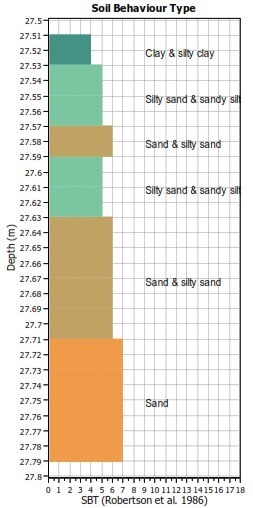
Comprehensive Site Investigations: Conduct thorough geotechnical surveys that include both desktop studies and field investigations. Techniques like cone penetration testing (CPT) and soil sampling provide a clear picture of soil profiles.
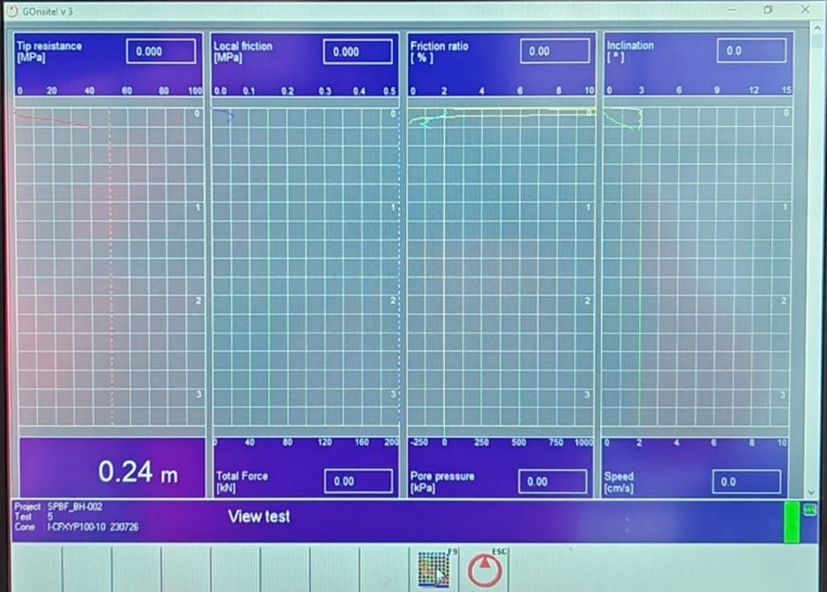
Integration of Geophysical Methods: Incorporate geophysical surveys, such as seismic and electromagnetic methods, to supplement traditional soil sampling. These non-invasive techniques can provide valuable insights into subsurface conditions over larger areas, improving the overall understanding of site geology.
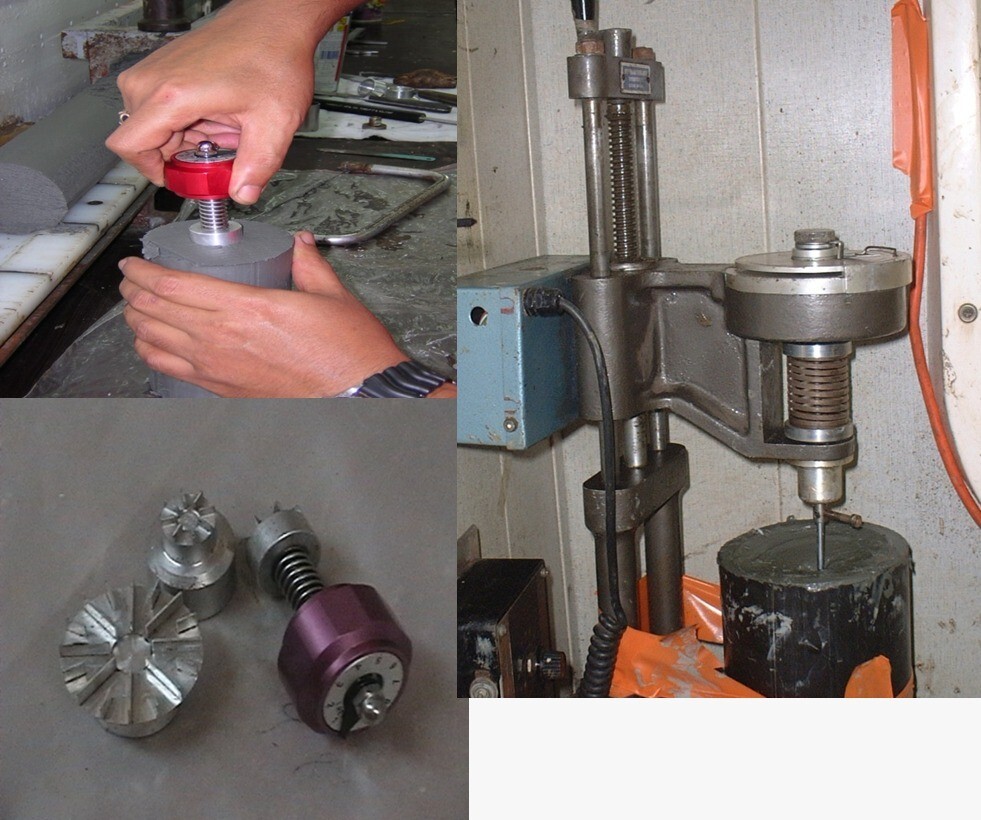
In-Situ Testing: Use of in-situ testing methods like vane shear tests, pocket penetrometer, UU Triaxial, Point load index and UCS tests to assess soil strength and deformation characteristics directly in the field. These real-time results improve the accuracy of soil models.
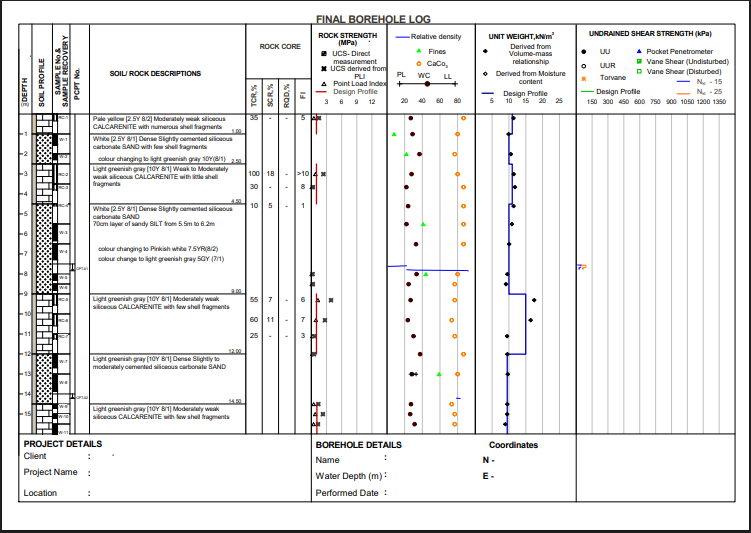
Digital Tools and Modelling: Software tools can simulate soil behaviour under various scenarios, aiding in the optimization of foundation designs and construction methods.
Conclusion
Soil characterization is a foundational element of successful offshore projects. By adopting best practices and leveraging innovative techniques, we can ensure robust and reliable designs that meet safety and performance standards. This approach mitigates risks and enhances project outcomes. With advanced technologies and unmatched expertise in geotechnical engineering, we help you mitigate risks and achieve outstanding project outcomes. Ready to stand out and elevate your offshore ventures? Let’s collaborate and make it happen—together.